Insider tips for rubbish removal on North End Road
Posted on 07/07/2026
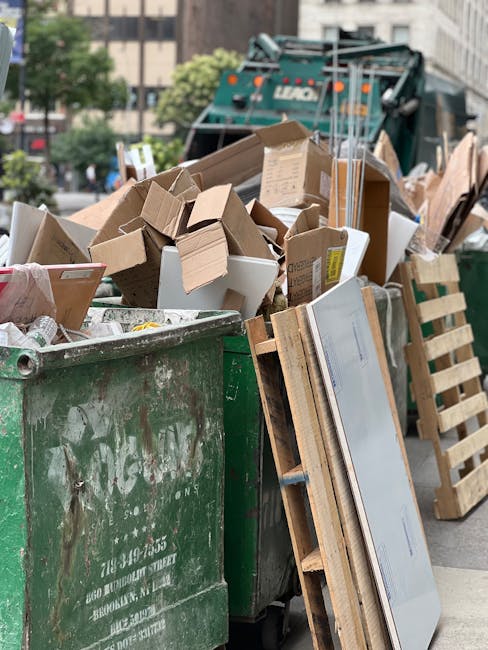
If you live, work, rent, or trade around North End Road, you already know the awkward part of rubbish removal is rarely the lifting itself. It is the planning. Narrow pavements, busy traffic, mixed property types, and the usual "I'll deal with that later" pile-up can make a simple clearance feel strangely complicated. The good news? With a few insider tips for rubbish removal on North End Road, you can save time, reduce hassle, and avoid the kind of mistakes that turn a tidy clear-out into a messy afternoon.
In this guide, we'll walk through how rubbish collection typically works locally, what to watch out for, and how to make a cleaner decision whether you are clearing a flat, a shop unit, a garden, or a renovation load. A bit of planning goes a long way. Honestly, it often makes the biggest difference.
Why Insider tips for rubbish removal on North End Road Matters
North End Road has a very particular rhythm. It serves busy households, local businesses, managed properties, and people passing through all day. That mix matters because rubbish removal here is not just about taking things away; it is about doing it in a way that works with the street, the property type, and the timing.
Insider knowledge helps because the obvious option is not always the best one. For example, a small load from a studio flat may be fine to arrange quickly, while a builders' waste pile from a refurb needs a more careful approach. In some cases, it is worth reading up on how rubbish collection pricing works in W8 and W14 before you do anything else, because knowing what typically affects cost makes you harder to overcharge.
There is also the local reality of access. On a road like this, people often underestimate how much time is lost carrying bags down stairs, around parked cars, or through shared entrances. One extra lift can change the whole job. That is why insider planning is so useful. It keeps the process calm, and let's face it, calm is underrated when the hallway is full of old furniture.
How Insider tips for rubbish removal on North End Road Works
Rubbish removal usually follows a simple pattern, but the details matter. You identify what needs to go, separate anything reusable or hazardous, choose the right disposal route, and arrange collection. That is the broad version. The practical version is a little more nuanced.
For most jobs, a good provider will ask what type of waste you have, how much there is, where it is located, and whether there are access issues. That is not fussiness. It is what prevents delays and surprise charges. If you are booking collection for a property near a busy stretch of North End Road, accurate information becomes even more important.
A helpful way to think about it is this: rubbish removal is a logistics task, not just a lifting task. The best outcome usually comes from matching the waste type to the right service. General household rubbish, office clutter, garden waste, and construction debris all behave differently in terms of handling and disposal. A service that fits one may be the wrong fit for another. If you need a broader overview, the services overview gives a useful sense of the options available.
Key Benefits and Practical Advantages
The biggest advantage of doing rubbish removal properly is not just a cleaner space. It is the knock-on effect. Rooms feel usable again, access improves, and you avoid leaving waste sitting around for days or weeks. That alone can be a relief.
- Faster turnaround: A clear plan means less time sorting on the day.
- Lower risk of surprise costs: Accurate descriptions reduce the chance of re-quoting.
- Better safety: Heavy items, broken edges, and loose materials are easier to manage when separated early.
- Less disruption: Important on a road where foot traffic and parking can already be awkward.
- Cleaner recycling outcomes: Separation makes it easier to route waste correctly.
There is also the confidence factor. When you know what should happen, you can ask better questions and choose with more certainty. That is particularly useful for landlords, shop owners, and anyone dealing with a move or end-of-tenancy clear-out. If sustainability matters to you, it is worth exploring the site's recycling and sustainability information too, because that side of the process is often overlooked.
Who This Is For and When It Makes Sense
These tips are useful for a fairly wide mix of people, but the pressure points vary.
Homeowners and tenants usually need help with end-of-tenancy clearances, bulky furniture, box clutter, or post-renovation waste. A flat with one staircase and no lift can be straightforward on paper and annoying in real life. Tiny detail, big effect.
Landlords and letting agents often care most about speed, predictable cost, and leaving a property ready for the next occupant. If that is your situation, you may also find practical tips for landlords and businesses in West Kensington useful, especially when timing and margin matter.
Local businesses tend to deal with office furniture, packaging, old stock, or shop refits. For those jobs, it can be helpful to separate everyday waste from heavier loads early. If the clear-out is commercial, an office clearance service may be more appropriate than a general pick-up.
Builders and renovators need to think about dust, rubble, timber, plasterboard, and access. A tailored route helps avoid delays. In that case, looking at builders' waste disposal can save time later.
And then there are the in-between jobs. The half-clearances. The "we're not sure what this is yet" piles. Those are common too, and perfectly normal.
Step-by-Step Guidance
- Walk the space first. Make a quick inventory of what is going. Separate furniture, loose bags, recyclables, and anything that might need special handling.
- Check access points. Note staircases, lifts, rear access, parking restrictions, narrow hallways, or shared entrances. On North End Road, this really can change the plan.
- Sort waste by type. Household waste, garden cuttings, office clutter, and construction debris should not be treated as one mixed pile if you want the best result.
- Measure bulky items. A sofa "looks fine" until it gets to the doorway. A tape measure is boring but very useful.
- Choose the most suitable service. For a single bulky item, a simple collection may be enough. For a full property clear-out, a larger waste service or house clearance is usually better.
- Ask for a clear quote. Make sure the price basis is explained. If you want a better sense of the numbers behind it, review pricing and quotes before booking.
- Prepare items before the team arrives. Move waste into one area if it is safe to do so, and keep walkways clear.
- Confirm what cannot be taken. Some waste streams need special handling, so it is better to ask early than be stuck guessing later.
- Check what happens after collection. Responsible disposal, reuse, and recycling should be part of the process, not an afterthought.
If you are dealing with a larger domestic clear-out, it can also help to compare it with a dedicated house clearance approach, especially when there is a mix of furniture, soft furnishings, and general clutter.
Expert Tips for Better Results
Here are the little things that often make the difference. Not glamorous. Very effective.
1. Group waste before you ask for help. It sounds simple, but a loose pile of mixed items is harder to assess than a tidy, clearly separated load.
2. Photograph everything. A few phone pictures taken in daylight help with accurate quoting. They also reduce misunderstandings. One quick photo is worth five apologetic messages later.
3. Leave a route for carrying items out. Move shoes, plant pots, bags, and anything fragile out of the way. You want the job moving, not the team weaving.
4. Think about timing. Earlier slots often feel easier on busy roads. Fewer people around can mean less disruption and a smoother handover.
5. Reuse before disposal where possible. Good-condition items may be better passed on, sold, or reused rather than sent straight to disposal.
6. Ask about safety and insurance. This matters more than people think, especially for heavy items, shared entrances, and stair carry jobs. If you want peace of mind, the site's insurance and safety page is a sensible place to understand the standard you should expect.
7. Keep an eye on hidden extras. Extra labour, difficult access, parking issues, and special waste can all influence the final figure. It is better to clarify up front than to argue later over a number nobody likes.
8. Use local knowledge. If your load comes from a flat, terrace, office, or retail unit on North End Road, mention that clearly. The best plan is the one that reflects the real building, not the idealised version in your head.
![A waste collection worker, dressed in a yellow and orange high-visibility vest, is standing behind a large red rubbish truck on a roadside, actively engaged in waste disposal or collection activities. The back of the truck is open, revealing the mechanical components and waste inlet, with a black plastic bag and other debris nearby, some placed on the ground and others on a small platform attached to a motorcycle parked adjacent to the truck. The scene is set outdoors during daytime, with overcast sky and trees in the background, indicating a suburban or urban environment. Utility poles and overhead wires are visible, along with a distant signboard, suggesting the truck is positioned on a street used for waste or rubbish removal services. The waste collector's attention appears focused on handling or managing refuse, which aligns with a professional rubbish removal context involving private or alternative waste handling methods, as facilitated by services such as [COMPANY_NAME]. The environment shows signs of street cleanup, with collected debris on the ground, emphasizing the scene's focus on efficient rubbish collection and disposal activities.](/pub/blogphoto/insider-tips-for-rubbish-removal-on-north-end-road2.jpg)
Common Mistakes to Avoid
Most rubbish removal problems are preventable. That is the frustrating bit. But also good news, because once you know the traps, you can dodge them.
- Leaving everything to the last minute: This is the classic one. People wait until the room is packed, then need a same-week solution and end up stressed.
- Underestimating volume: Small piles become big piles quickly, especially when you start moving things around.
- Mixing different waste types: It can complicate collection and disposal.
- Forgetting access details: A collection can stall if the vehicle cannot stop nearby or the property access is tighter than expected.
- Not asking about restricted items: Some materials need special handling, so assumptions are risky.
- Choosing purely on price: Cheap is not always bad, but the lowest quote can become expensive if it is vague.
One common slip is assuming all bulky waste is handled the same way. It is not. A broken wardrobe, a mattress, and a bag of garden clippings all have different logistics. That sounds fussy, but it really matters.
Tools, Resources and Recommendations
You do not need fancy equipment for most clear-outs. A few simple tools make life easier.
- Work gloves: Useful for sharp edges, splinters, and dusty items.
- Tape measure: Handy for sofas, wardrobes, appliances, and awkward doorways.
- Marker pen and labels: Great for separating keep, donate, recycle, and remove.
- Phone camera: The fastest way to document load size and access points.
- Strong bags or boxes: Especially helpful for loose household clutter or office papers.
For service planning, it is often smart to compare rubbish removal against more specific services. If your waste is mostly renovation debris, builders' waste disposal may fit better. If the job is a full flat or probate-style clear-out, house clearance in West Kensington may be the better route. If it is mixed everyday clutter and general waste, then a more general rubbish collection option may be enough.
For readers nearby, it can also help to understand the local rhythm of the area. Posts like the West Kensington rubbish collection guide for Lillie Road residents and same-day rubbish collection near West Kensington Station and Earl's Court offer a useful sense of how timing and access can change the experience.
Law, Compliance, Standards, or Best Practice
You do not need to become a waste-law expert to clear rubbish responsibly, but you do need to know the broad rules of the road. In the UK, waste should be handled by a proper carrier, and you should be cautious about handing rubbish to anyone who cannot explain where it is going. That is basic best practice, and it protects you as much as anyone else.
For homes and businesses alike, the safest approach is to keep records of what was removed, ask where the waste will be taken, and avoid leaving items for informal collection unless you are satisfied the arrangement is legitimate. That may sound obvious, but in a busy area shortcuts happen. A lot.
If your clear-out includes items that need special handling, such as electrical equipment, plasterboard, chemicals, or other restricted materials, ask for confirmation before collection. Do not just set them aside and hope they disappear. Hope is not a disposal strategy.
It is also wise to understand how quotes are built. Good providers should explain the basis of their price, any access assumptions, and whether the job includes loading, transport, and disposal. For more context, this guide on avoiding hidden charges in rubbish removal quotes is a useful companion read.
If you want to see how a provider presents its wider approach to trust and service, the site's about us page can also help you judge whether the company's working style matches what you need.
Options, Methods, or Comparison Table
Choosing the right method is often the real decision. Below is a simple comparison to help you think it through.
| Method | Best for | Strengths | Watch out for |
|---|---|---|---|
| Self-removal | Very small loads | Cheap if you already have transport | Time, effort, parking, and disposal logistics |
| General rubbish collection | Mixed household or commercial waste | Convenient and flexible | Access details and waste type need to be accurate |
| House clearance | Whole rooms, flats, or properties | Efficient for large clear-outs | Needs better planning and item separation |
| Office clearance | Desks, chairs, stock, archive clutter | Good for business turnaround | Data-bearing items and access planning matter |
| Builders' waste disposal | Renovation and site debris | Handles heavier, messier materials | Some materials may need special handling |
Truth be told, the best option is rarely the one that sounds the most dramatic. It is usually the one that fits the waste you actually have. If your project is mainly domestic clutter, general collection may be enough. If it is a post-refit mess, waste removal built for construction debris will save you headaches.
Case Study or Real-World Example
Here is a realistic local scenario. A tenant moving out of a first-floor flat on North End Road has one broken chest of drawers, a dismantled bed frame, three black sacks of mixed clutter, and a couple of smaller items from the kitchen. Nothing outrageous. But the access is awkward: narrow stairs, a shared entrance, and not much room outside.
At first glance, the job feels simple. Then the details appear. The bed frame needs dismantling fully. The drawers are bulky enough to need two people. The sacks are mixed, so they need checking before disposal. The best move in that situation is to sort everything in advance, take photos, and make it clear where the items are located. That lets the collection be planned in one go rather than in awkward stages.
In another example, a small shop near the road has replaced old fixtures and ends up with packaging, shelving, and some light construction waste. A general household approach would not be ideal there. A more specific collection, with clear notes about the materials, works better and keeps the premises open longer. Nobody wants cardboard, timber, and fittings blocking a shopfront at peak time. Bad look, really.
These examples may sound ordinary, but that is the point. Most rubbish removal jobs are ordinary, and ordinary jobs are where good planning pays off most.
Practical Checklist
Use this simple checklist before booking rubbish removal on North End Road:
- Have I listed everything that needs to go?
- Have I separated household, garden, office, and builders' waste?
- Have I measured bulky items and checked doorways?
- Have I taken photos for an accurate quote?
- Have I noted stairs, lifts, parking, and access restrictions?
- Do I know whether any items need special handling?
- Have I compared the job to the right service type?
- Have I checked the pricing basis and likely extras?
- Do I know what will happen to recyclable items?
- Have I made walkways and exit routes clear?
If you can tick most of those boxes, you are already ahead of the game.
Conclusion
Insider tips for rubbish removal on North End Road are really about one thing: making the job easier before anyone lifts a bag. A little sorting, a little measuring, a few clear photos, and a sensible choice of service can turn a stressful task into a straightforward one.
That is especially true in a busy London location where access, timing, and waste type all affect the result. Whether you are clearing a flat, tidying a business unit, or dealing with a renovation pile, the smartest move is to treat rubbish removal as a practical process, not a last-minute scramble. You will save time, reduce surprises, and probably feel much better when the space is finally clear.
If you are still weighing up the right approach, start with the basics, compare your options carefully, and choose a service that matches the real job in front of you. Small step, big payoff.
Get a free quote today and see how much you can save.
 Tipper Van - Rubbish Disposal and Rubbish Removal Prices in West Kensington, W14
 Luton Van - Rubbish Disposal and Rubbish Removal Prices in West Kensington, W14


