Olympia event waste plans and commercial rubbish services
Posted on 21/10/2026
Planning waste for an Olympia event is rarely the glamorous part of the job, but it can be one of the difference-makers. Whether you are running a busy exhibition, a corporate launch, a trade stand build, or a multi-day public event, Olympia event waste plans and commercial rubbish services need to work together from the start. Miss that early, and you can end up with overflowing bins, awkward loading bay bottlenecks, last-minute clean-up costs, and a venue team that is quietly unimpressed. Not ideal.
This guide breaks down what a good waste plan looks like, how commercial rubbish services support event delivery, and what to think about if you want the whole thing to feel calm rather than chaotic. You will also find practical steps, comparison points, compliance considerations, and a checklist you can actually use. Let's face it, event waste is one of those things that seems simple until the first cardboard mountain appears behind a stand at 4:30pm.
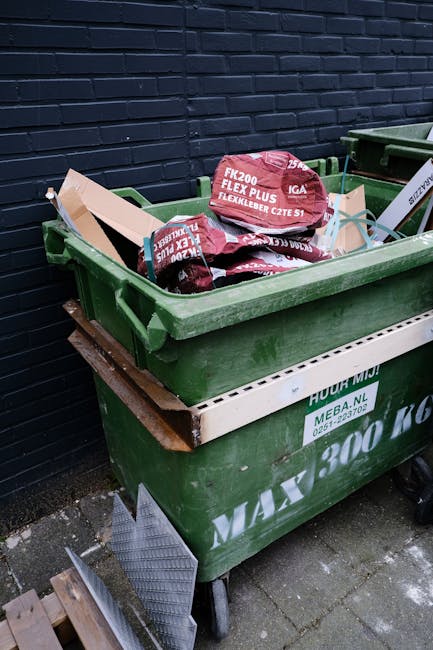
Why it matters
At a venue like Olympia, waste is not just rubbish in the generic sense. It includes packaging from deliveries, stand build-offcuts, printed materials, catering waste, back-of-house refuse, broken display items, and the awkward stuff nobody wants to discuss until the end of the show. If you do not plan for it properly, waste starts to affect almost everything else: safety, presentation, turnaround time, staff workload, and even how smoothly suppliers can move around the site.
For organisers, the key issue is that waste accumulates faster than people expect. A small amount from each exhibitor quickly becomes a lot when multiplied across a hall. Add busy build-up and breakdown periods, and you may find that the waste stream is not a side issue at all. It is part of the event operation.
Commercial rubbish services matter here because they provide scheduled, scalable collection and disposal support that is usually more flexible than standard domestic-style collection. In plain English: you need a service that can cope with volume, timing, segregation, access restrictions, and the slightly messy reality of live events. That means the right bins, the right collection timings, the right manpower, and a plan that fits the venue rather than fighting it.
Key takeaway: a strong event waste plan protects the venue, supports staff, reduces disruption, and helps your event look and run professionally from start to finish.
How it works
Olympia event waste planning usually starts with a simple question: what kind of waste will be produced, when will it appear, and where will it go? That sounds obvious, but it is the bit people skip. A proper plan maps waste by phase, not just by category.
1. Pre-event planning
Before the doors open, you need to think about build waste, delivered materials, and storage. Exhibitors may arrive with pallets, cable ties, foam inserts, cardboard boxes, wooden crates, vinyl, and protective wrap. All of that needs a home. If you do not have collection points or removal schedules in place, waste tends to wander. And by wander, I mean pile up in corridors.
2. Event-time collection
During the event itself, waste tends to be lighter but more frequent: food packaging, flyers, drink cups, sample materials, and general mixed waste. If the event has catering or hospitality areas, the waste stream can shift dramatically at lunch and late afternoon. That is where commercial rubbish services help by providing timed collections rather than waiting for a one-off clear-out.
3. Breakdown and post-event clearance
When the event ends, the waste volume often spikes again. Stands are stripped down, demo units are boxed, and leftover printed material gets tossed. This is where many teams get caught out. Everyone is tired, the venue clock is ticking, and there is always one stand that seems to have generated twice the amount of waste everyone expected. Funny how that happens.
A good provider will usually coordinate vehicle access, manpower, and disposal methods so the clear-out happens quickly and in line with site rules. In some cases, this includes separate removal for recyclable materials, bulky items, or heavier construction-type waste from build and dismantle activity.
4. Waste segregation and recycling
Segregation is worth more than people think. If cardboard, plastic, general waste, and reusable materials are mixed together, recycling becomes harder and disposal costs can rise. A clear system for separating waste at source tends to make the whole operation cleaner and easier to manage. It also gives your event a more responsible, organised feel, which visitors notice even if they do not say so out loud.
Key benefits and practical advantages
There are several reasons event teams and venue organisers invest in dedicated waste planning rather than relying on a few bins and hope. Hope is not a strategy, unfortunately.
- Better presentation: clean aisles, tidy back-of-house zones, and less clutter around stands.
- Safer movement: fewer trip hazards, blocked exits, or loose packaging in loading areas.
- Faster breakdown: a more organised clear-out means less waiting around at the end of the event.
- Reduced stress: staff spend less time improvising and more time doing the jobs they were hired to do.
- Improved recycling potential: separating streams at source usually makes disposal more efficient.
- Lower risk of venue issues: the cleaner the plan, the fewer awkward conversations with operations teams later.
There is also a commercial advantage. If you are an organiser, predictable rubbish handling can reduce the chance of rush fees, unplanned collection costs, or overtime for crews. If you are an exhibitor, it can mean a smoother stand build and less mess left behind. Either way, well-planned waste management saves time, and time is never in abundance during live events.
What a professional service adds
Commercial rubbish services do more than collect waste. A good service can help with container choice, frequency planning, access logistics, and disposal for different waste types. That might include waste removal support for busy commercial sites, or more targeted assistance such as builders waste disposal when event infrastructure generates heavier material.
For events with office-style admin spaces, media rooms, or temporary production bases, office clearance services can also be useful for removing bulky furnishings or redundant equipment before or after the show.
Who this is for and when it makes sense
Not every event needs the same level of waste planning, but Olympia-scale events usually benefit from proper coordination. If your event includes one or more of the following, you should treat waste as a core operational task rather than an afterthought:
- multiple exhibitors or stands
- build-up and breakdown teams on site
- food and beverage service
- printed marketing materials or packaging-heavy displays
- temporary offices, press areas, or backstage zones
- high visitor footfall
- heavy or bulky items
This is especially relevant for event agencies, venue operations teams, production managers, contractors, and exhibitors with a large footprint. It is also useful for landlords or property teams supporting temporary event spaces nearby, where access and waste timing can be tricky.
In our experience, smaller teams often assume waste will "sort itself out on the day." It usually doesn't. Not without someone quietly managing it in the background.
When commercial rubbish services are the right fit
You will usually want commercial rubbish services when regular council collection is not enough, too slow, or not suited to the event format. That can happen when waste is generated in bursts, when there are access restrictions, or when you need flexible collection windows around a live schedule. If the waste has to disappear between build-up and the first visitor arriving, that is not the sort of job to leave to chance.
Step-by-step guidance
Here is a practical way to approach Olympia event waste planning without overcomplicating it. Simple, but not simplistic.
- Map the event footprint. Identify all the waste-producing zones: stands, catering, loading, storage, offices, production rooms, and any outdoor holding areas.
- Estimate the waste streams. Think in categories: cardboard, mixed waste, food waste, plastics, wood, pallets, and bulky items. A rough estimate is fine at first, but it should be grounded in the actual event design.
- Decide what needs separating. Not everything should go into one bin. Some materials are easier to recycle or remove safely if they stay separate from the start.
- Choose the collection method. Do you need sacks, bins, skips, or a man-and-van collection style? The answer depends on volume, site access, and how quickly waste will build up.
- Set collection timing. Schedule collections around build, opening hours, catering peaks, and breakdown. If you leave it too late, waste becomes a traffic problem as well as a disposal problem.
- Brief exhibitors and contractors. Tell people where waste goes, what can be recycled, and who to contact if a container is full. A one-page instruction sheet can prevent a lot of mess.
- Plan the post-event clear-down. Make sure the team knows what must be removed before handover, what can stay for final uplift, and who signs it off.
- Review after the event. Note what filled fastest, where bottlenecks appeared, and whether the waste streams were set up in the right places. That feedback is gold for the next event.
A tiny bit of planning up front can prevent the classic end-of-day scramble where everyone is carrying half-open boxes and asking, "Where does this go?"
Expert tips for better results
These are the small details that often make the biggest difference on event day.
Put bins where people actually walk
If waste stations are hidden in awkward corners, people will not use them properly. They will leave packaging on tables, under counters, or beside the nearest wall. Place bins where the waste is created, not where they look tidy on a floorplan.
Use simple labelling
Recycling instructions should be obvious at a glance. Overly technical labels are rarely helpful in a busy event space. Clear wording and visual separation work better than a long explanation nobody has time to read.
Keep back-of-house tidy too
The front of house usually gets all the attention, but most problems start in the back corridors. Cardboard leaning against fire routes, half-empty bags near loading areas, and boxes left by service doors can all create friction. A tidy back-of-house area feels calmer, and oddly enough, it usually runs calmer too.
Build in a spare collection window
Live events are unpredictable. A collection slot that looks generous on paper can disappear quickly once delivery delays or last-minute exhibitor changes happen. Build a bit of slack into the schedule. Not loads. Just enough to stay human.
Match the service to the event type
A trade show with multiple build phases needs something different from a one-day corporate summit. If you are dealing with furniture, AV kit, or set materials, you may need a more flexible collection approach than standard mixed waste pickup. For larger home or venue clear-outs before or after the event, services such as house clearance can be relevant where furniture, decor, or temporary stock must go quickly.

Common mistakes to avoid
Even experienced teams make these mistakes, usually because the event is moving too fast. You can avoid most of them with a bit of early discipline.
- Assuming the venue will handle everything: some waste responsibilities sit with the organiser, contractor, or exhibitor. Confirm this in writing.
- Using too few bins: once waste backs up, the whole site feels messier.
- Mixing recyclables and general waste: this makes the stream harder to manage and can reduce recycling efficiency.
- Ignoring build and breakdown waste: these phases often produce the most material, so they need proper planning.
- Not briefed the contractors: if people do not know the rules, they will improvise. And usually in the wrong direction.
- Leaving collections too late: the final hours are always the busiest, and waste has a way of multiplying right when you need it least.
One of the most common issues is simple timing. A bin that seems "fine for now" can become a problem in the next hour. Events move fast. Waste moves faster.
Tools, resources and recommendations
You do not need a huge toolkit to manage event waste well, but a few practical items make life easier.
- Waste map: a floor plan showing bin points, collection zones, and service routes.
- Collection schedule: a simple timetable for build, event, and breakdown periods.
- Waste instructions sheet: one-page guidance for exhibitors, contractors, and staff.
- Container labels: clear signs for cardboard, mixed waste, and recycling streams.
- Named contact list: who to call if something spills, overfills, or blocks access.
From a service perspective, it helps to choose a provider that understands commercial access, timing, and site sensitivity. That might mean checking whether they can work around event hours, navigate restricted access, or support last-minute changes. If pricing clarity matters, take a look at pricing and quotes before committing. Transparent pricing is one of those things you really appreciate once the invoice arrives.
If sustainability is part of your event brief, it also makes sense to look at recycling and sustainability practices so you can align waste planning with your wider environmental goals.
For broader company information and service scope, the services overview and about us pages are useful starting points for understanding how a provider approaches different waste jobs.
Law, compliance, standards, or best practice
Event waste planning in the UK should always be handled with care around duty of care, safe handling, and proper disposal routes. While the exact obligations depend on the waste type and the parties involved, the general principle is straightforward: you need to make sure waste is stored, moved, and disposed of responsibly.
For Olympia-style event operations, that usually means keeping waste out of walkways, preventing contamination between waste streams where practical, and using a provider that can demonstrate safe working practices. If your event includes heavier waste, sharp materials, or anything potentially hazardous, the standards for handling become more serious. That is not a place for guesswork.
It also helps to think about insurance and site safety. A waste contractor working in a live venue should be able to operate in a way that fits venue rules and minimises disruption. If you want a better sense of how a provider approaches risk, the insurance and safety information is worth reviewing.
For organisers, best practice usually includes:
- clear written responsibilities for waste handling
- safe access routes for removal teams
- appropriate containers for the waste type
- separation of recyclable and general waste where practical
- documented collection timings
- final sign-off after breakdown
That may sound a bit formal, but in live events the formal bits are often what stop the messy bits from becoming expensive bits.
Options, methods, or comparison table
Choosing the right rubbish service depends on the scale of the event, the type of waste, and how quickly it needs to disappear. Here is a practical comparison.
| Option | Best for | Strengths | Limitations |
|---|---|---|---|
| Scheduled commercial collections | Multi-day events with steady waste output | Predictable, tidy, easy to plan around | Needs good advance scheduling |
| Ad hoc uplift | Small or irregular waste bursts | Flexible if volumes are low | Can be less efficient if waste piles up quickly |
| Separate recycling and general waste streams | Events with significant cardboard or packaging | Cleaner segregation, better recycling potential | Needs more space and better signage |
| Bulky waste removal | Stands, furniture, panels, and large items | Handles awkward materials effectively | Requires more planning and access control |
| Mixed waste containers | Fast-paced setups with limited space | Simple and convenient | Less efficient for recycling if overused |
If you are trying to reduce waste during an event, the separate-stream approach usually gives better control. If you are dealing with a short timeline and a lot of bulk, a more flexible uplift model may make more sense. Truth be told, the right answer is usually a blend.
Case study or real-world example
Imagine a two-day event with a trade floor, a small catering area, and several exhibitors doing build-out the day before opening. The organiser expects moderate waste, mostly cardboard and packaging, but the first morning of build tells a different story. Pallets arrive in clusters, bubble wrap fills up quickly, and one stand team has more surplus packing than they planned for.
Without a waste plan, the site would have ended up with cardboard stacked in service corridors and mixed rubbish dumped in the nearest available bin. Instead, the organiser set up separate collection points for cardboard and general waste, scheduled a removal visit after build-up, and arranged a second uplift after the first day of trading. Exhibitors were briefed on where to break down packaging, and the breakdown team had a clear final-clear route.
The practical result was simple: less clutter, fewer last-minute problems, and a calmer handover at the end. Nothing dramatic. Which is exactly the point. Good waste planning should feel almost invisible when it works well.
If the event has adjacent property or temporary accommodation elements, timing matters even more. For example, post-event clearances can overlap with short-term storage or nearby landlord requirements. In those cases, a provider used to fast-turnaround collections is much easier to work with than one that treats every job like a sleepy Tuesday pickup.
Practical checklist
Use this checklist before the event goes live. It is not fancy, but it gets the job done.
- Have you mapped all waste-producing areas?
- Do you know which waste streams are expected?
- Are bin locations practical for staff and visitors?
- Have collection times been aligned with build, event, and breakdown schedules?
- Are exhibitors and contractors briefed on disposal rules?
- Have you identified who handles recycling separation?
- Is there enough access space for collections?
- Do you have a backup plan if bins fill faster than expected?
- Has safety guidance been shared with the team?
- Is there a final waste clearance sign-off process?
Quick reality check: if the answer to three or more of those is "not yet", the waste plan probably needs another look. Better now than on opening morning.
Conclusion
Olympia event waste plans and commercial rubbish services are not just operational extras. They are part of how an event looks, feels, and runs. When waste is handled properly, the whole space feels more professional. Staff move better. Exhibitors work better. Visitors notice a cleaner, calmer environment, even if they never think about the waste process behind it.
The best approach is usually the simplest one: map the waste early, choose the right service for the right stream, brief everyone clearly, and leave enough room for the unexpected. Because there will always be something unexpected. There always is.
If you take anything from this guide, let it be this: a good waste plan is a quiet kind of success. You do not always see it, but you feel it everywhere.
Get a free quote today and see how much you can save.

 Tipper Van - Rubbish Disposal and Rubbish Removal Prices in West Kensington, W14
 Luton Van - Rubbish Disposal and Rubbish Removal Prices in West Kensington, W14


